Quick answer: Choose smaller SAE grades (like S70–S170) for finer cleaning and lower impact, mid grades (S230–S460) for general production blasting, and larger grades (S550–S1110) when higher impact energy is needed on bigger or heavily scaled parts.
Start with the process goal
Define whether you need light cleaning, heavy descaling, paint preparation, or peening. The goal decides impact energy and acceptable surface roughness before you lock a grade.
Match grade to part and machine
Smaller parts and tighter finishes usually need smaller shot. Wheel blast and air blast setups also favor different size windows. If unsure, share workpiece photos, current media, and target Ra with our team.
Quick grade guide
Use this as a starting point, then validate with trials:
- S70 / S110: fine cleaning and lighter profiles
- S230 / S280 / S330: common production cleaning grades
- S460 / S550: higher impact for tougher scale
- S660 to S1110: large-part / heavy-duty cleaning
Hardness and packing still matter
After size, confirm hardness band and packaging (25 kg / 50 kg / jumbo). Consistent supply reduces process drift on long production runs.
Related steel shot products
Need a grade recommendation? Browse our steel shot grades or request a quote with size, quantity, and delivery location.
FAQ
Related Products
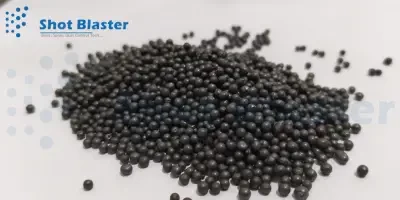
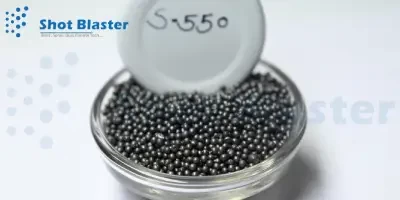
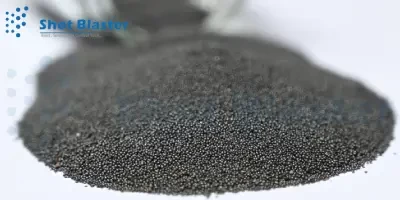
Steel Shot S70
- Material Grade Steel shots S70
- Material High Carbon Steel
- Brand Shot Blaster
Talk to our steel shot specialists
Share your application and volume — we’ll recommend grades and send pricing quickly.